Your Guide to Trauma
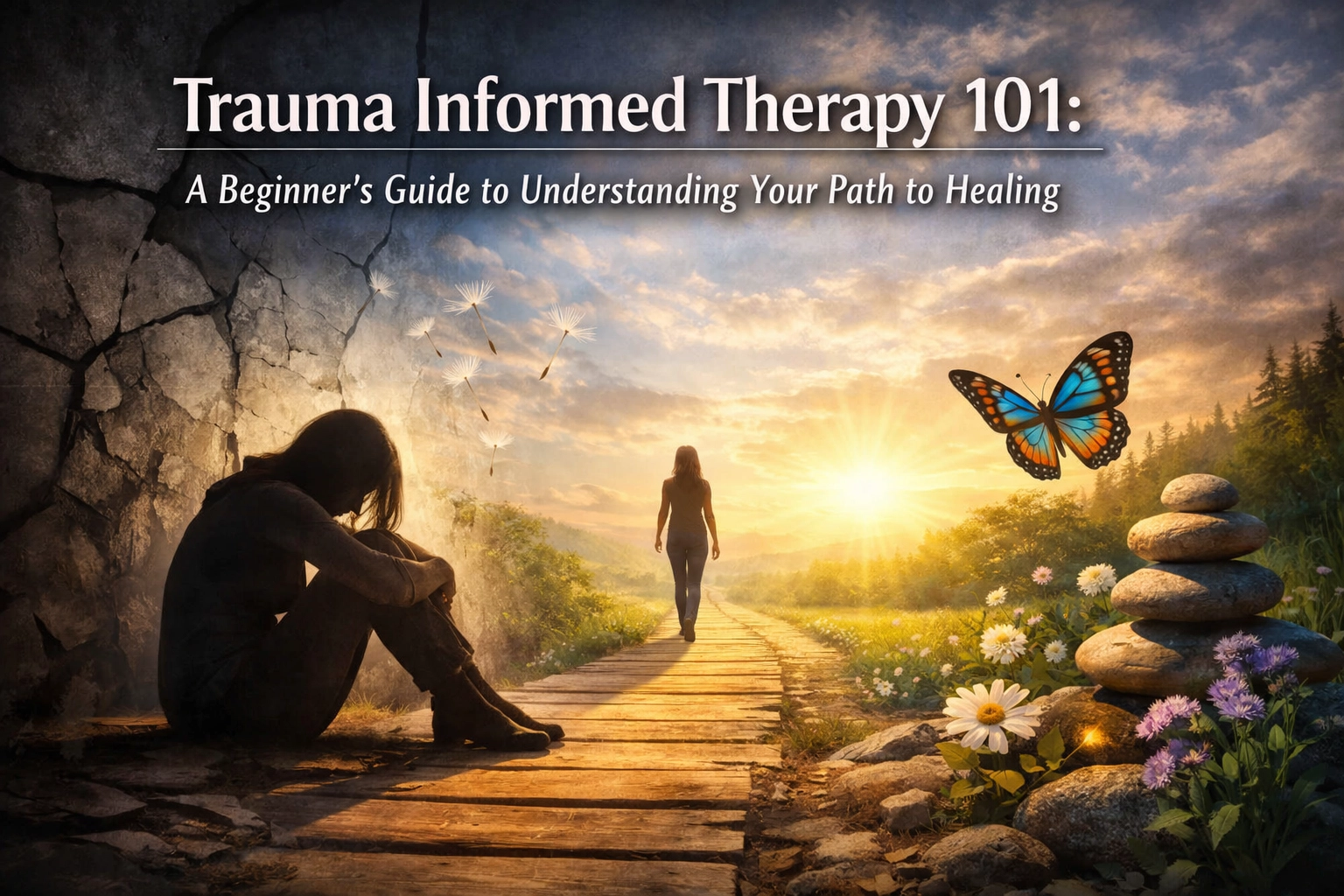
I want to start by saying a very sincere thank you. I know how busy life is, and I know that even clicking on an article about therapy can feel like a heavy lift sometimes. The fact that you are here, leaning into your own healing, is something I truly honor. If you’re feeling a little nervous or even a bit skeptical, please know that I hear you. I’ve been on both sides of the therapy room: as someone seeking help and as someone offering it. I don't stand before you as an expert who has all the answers from a distant, clinical height. Instead, I see myself as a fellow traveler. I’ve navigated my own shadows, and I believe that the most powerful healing happens when we acknowledge our shared humanity. At Serenity-Strength, I believe that therapy shouldn't feel like a cold clinical exam. It should feel like a safe harbor. Today, I want to walk alongside you as we explore what "trauma-informed therapy" actually means and why it might be the gentle approach you’ve been looking for.
Planting Seeds of Safety: What is Trauma-Informed Care?
When many of us think about therapy, we worry we’re going to be "fixed." We worry that someone is going to look at our lives, our habits, or our struggles and ask, "What is wrong with you?"Trauma-informed therapy flips that script entirely. Instead of asking what is wrong, I want to gently ask, "What happened to you?"This approach recognizes that the things you might struggle with today: anxiety, difficulty trusting others, feeling "stuck," or even physical pain: are often very normal responses to abnormal situations. Your brain and body are incredibly smart; they’ve spent years trying to protect you. Trauma-informed therapy is about honoring those survival skills while slowly creating space for something new to grow.I feel that it is so important to recognize that trauma isn’t just about "big" events. It can be the quiet, steady weight of being misunderstood, the exhaustion of navigating a world that doesn't always feel inclusive, or the aftermath of a difficult relationship. Whatever your story is, it belongs here.

The Five Pillars of Your Healing Journey
In a trauma-informed space, we follow a set of core principles. These aren't just rules for me; they are the values I hold dear as we work together. They are the foundations of the bridge we build toward your recovery.
1. The Sanctuary of Safety
I believe that no healing can happen if you don’t feel safe: physically, emotionally, and spiritually. This is the very first thing we focus on. In our sessions, safety means that you are in control of the pace. We don’t go where you aren’t ready to go. I want to create a space where you can exhale. We establish clear boundaries and confidentiality so that your heart knows it is in a protected place.
2. Trustworthiness and Transparency
Trust is something that is earned, not demanded. I understand that for many of us, trust has been broken in the past. That’s why I strive to be as transparent as possible. There are no "hidden agendas" in trauma-informed therapy. I will explain why we are doing certain exercises, what the goals are, and how the process works. I’m a person just like you: a parent, a friend, a neighbor, and I bring that honesty into our work. If I make a mistake, I’ll own it. We build this relationship on a foundation of real, human honesty.
3. Empowerment and Choice
You are the primary expert on your own life. I might have some tools in my kit, but you are the one who knows your heart best. In traditional settings, the "expert" often tells the "patient" what to do. Here, we move away from that power dynamic.I feel strongly that empowerment comes from having a choice. You get to decide what we talk about. You get to decide when to pause. My role is to offer options and "walk alongside" you as you choose the path that feels right for your unique journey.

4. Collaboration: A Partnership of Equals
I often use the metaphor of a shared map. We are both looking at the terrain of your life together. I might hold the flashlight for a moment, but you are the one walking the path. We collaborate on every step. This isn't me "treating" you; it’s us working together to understand your history and build your future. Your strengths: those amazing qualities that helped you survive until this very moment, are the tools we will use to help you thrive.
5. Cultural Sensitivity and Honoring Your Identity
Your identity is a vital part of your healing. Whether it’s your cultural background, your age, or your spiritual beliefs, all of you is welcome here. I acknowledge that trauma is often tied to systemic issues, and I am committed to listening and learning about your specific lived experience. We honor the traditions and values that give you strength, and we address the ways the world might have treated you with a lack of kindness.
How This Differs from Traditional Therapy
You might be wondering, "Isn't all therapy supposed to be like this?" While many therapists are wonderful, trauma-informed care is a specific lens that changes everything. In traditional therapy, the focus can sometimes be on "symptom management." If you have anxiety, the goal is to stop the anxiety. In trauma-informed therapy, we look at the anxiety as a messenger. We listen to what it’s trying to tell us about your past experiences. We also pay close attention to the body. Trauma isn't just a "thought" in your head; it’s a physical sensation in your chest, a tightness in your shoulders, or a "fog" in your mind. We use gentle methods to help your nervous system feel calm again, moving beyond just "talk therapy" into a more holistic way of being.
What a Session Might Feel Like
If you decide to reach out to us at Serenity-Strength, I want you to know what to expect. A session usually starts with a check-in. How is your heart today? How is your body feeling? We might spend time practicing a simple breathing exercise to help you feel grounded in the present moment. We talk about what’s on your mind, but we also look for the "glimmers": those small moments of joy or peace that happened during your week. We focus on building resilience. We look at the ways you’ve already been brave and how we can expand that bravery into new areas of your life. It’s a rhythmic, steady process. There is no rush. Healing is not a race; it’s a journey of returning to yourself.
A Hopeful Horizon
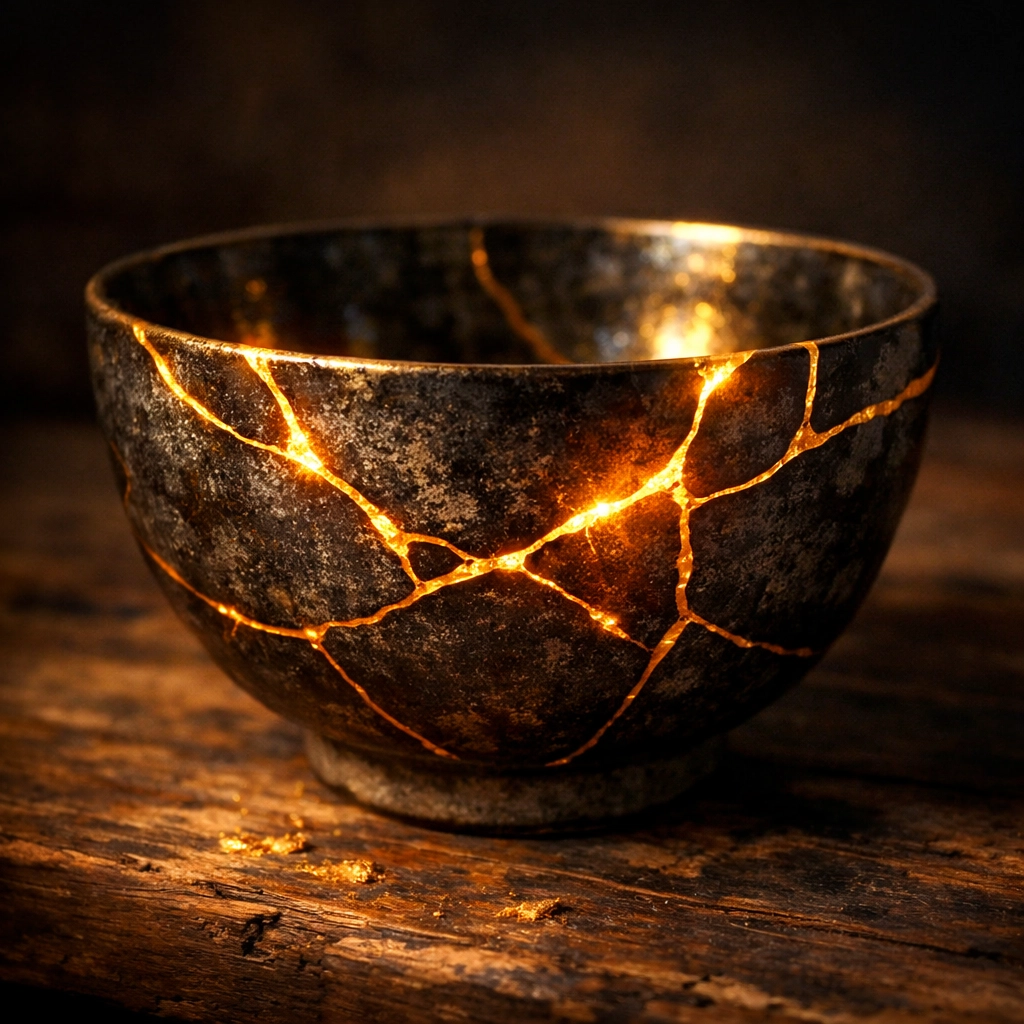
I believe that beauty can emerge from the most difficult places. Much like a forest that grows back stronger after a fire, your spirit has a natural inclination toward healing. Trauma might have left you feeling powerless or fragmented, but those pieces can be gathered and held with compassion. I feel so honored that you took the time to read this guide. If any of this resonated with you, I want you to know that you don't have to carry the weight alone anymore. Whether you are dealing with past wounds, current stresses, or just a general feeling of being "unsettled," there is a place for you here.
Your Invitation to the Journey
The path to healing is rarely a straight line. There will be days of great clarity and days where the clouds roll back in. But the beauty of trauma-informed therapy is that you have a partner for all of it. If you’re ready to take a small step forward, I invite you to reach out. You can learn more about me or send me a message through my contact page. There is no pressure: only an open door and a listening ear.I believe in your strength. I believe in your capacity to heal. And I would be truly honored to walk alongside you on this shared journey toward serenity.
With warmth and hope,
Eyrika Pak, BSN, MA, LPC